During November, the development of ARCA+® took us into one of the most important—and most demanding—stages in the life cycle of an implantable medical device. It was a period of real technical challenges, but also of deep learning that now strengthens ARCA+®.
When a device is designed to interact with the human body, it is not enough for it to function mechanically. It must do so safely, without generating undesirable responses. For this reason, biocompatibility is not a “checklist item,” but rather the confirmation that the material, design, and manufacturing process are prepared to coexist safely with the body under their intended use.
What we learned: it’s not just the material, it’s the complete system
At this stage, we learned that biocompatibility does not depend solely on an isolated material, but on the entire system that gives rise to the device. While ARCA+® has been conceived using medical-grade raw materials widely used in the healthcare industry and supported by biocompatibility studies, its final performance is influenced by multiple factors that must be controlled in an integrated manner.
These factors include:
- Rigorous selection and traceability of raw materials, including composition, batch-to-batch consistency, and technical documentation.
- Manufacturing processes, encompassing curing conditions, timing, handling, and controls during assembly.
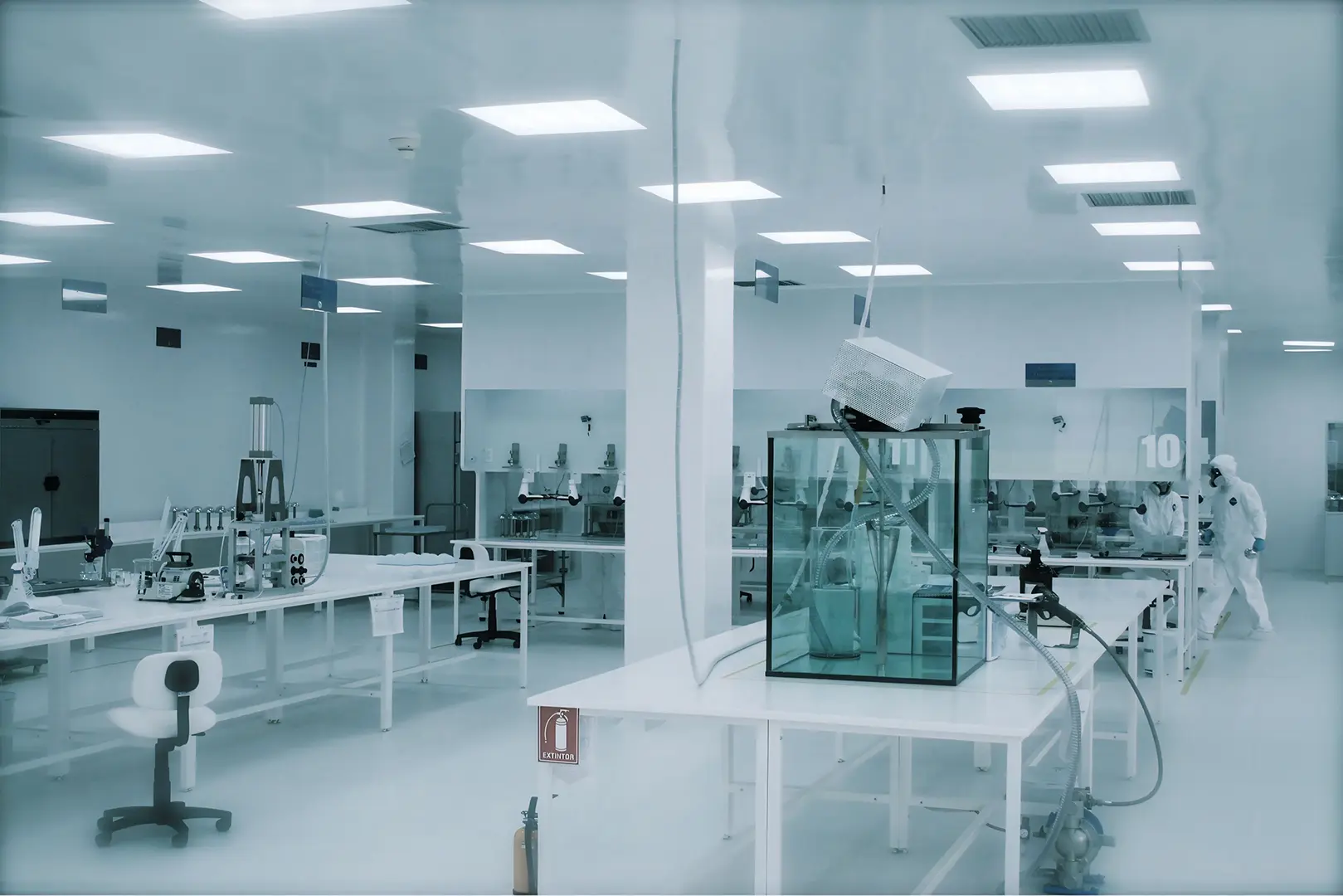
- Cleanliness control and prevention of potential residues derived from the process.
- Sterilization and its impact on both the material and the final product.
- Packaging and storage, which also play a key role in the device’s stability and safety.
This process reaffirmed a fundamental premise: what is not controlled cannot be guaranteed. And in an implantable medical device, ensuring safety is not optional—it is an essential part of the purpose.
Working with experts and a solid team: turning challenge into progress
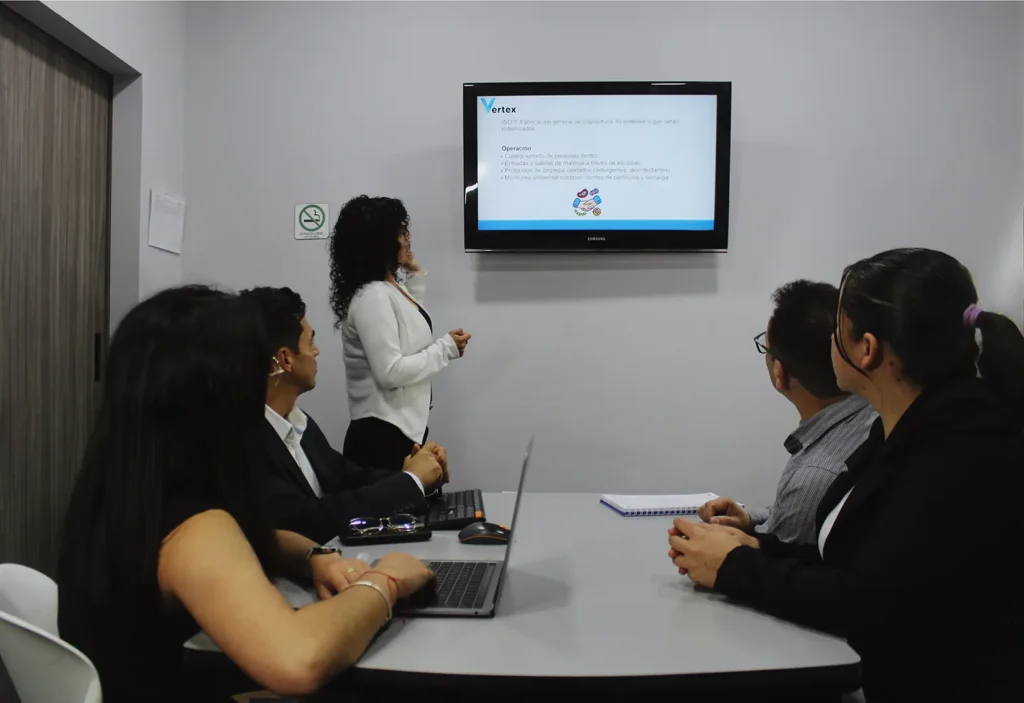
One of the reasons November was so productive was the way challenges were addressed: through technical analysis, methodology, and specialized support. Working with subject-matter experts allowed us to gain a deeper understanding of critical factors, evaluate alternatives, and implement adjustments with discipline, always guided by clear technical criteria.
Above all, this progress was made possible by our team—professionals who do not settle for “passing a test,” but who understand that the true objective is to achieve a robust, sustainable, and reliable process.
Overcoming a biocompatibility challenge does not simply mean obtaining a good result. It means strengthening the design, process control, and quality system so that ARCA+® performs consistently and reliably over time.